

Understanding the Basics of Gutter Installation Contracts
When it comes to gutter installation in Arkansas, a well-drafted contract is essential for safeguarding both the resident and the contractor. A gutter installation contract outlines the terms of the agreement, including the scope of work, materials to be used, and the responsibilities of each party. For a homeowner, this document serves as a legal safeguard and a clear roadmap for the undertaking.
Arkansas has its own set of area regulations and building codes that must be followed during any property improvement job, including gutter installation. This means that the contract should reflect these standards to make sure compliance. A experienced contractor will recognize the importance of including all necessary specifics, from the installation workflow to liability clauses.
Residents in Arkansas should be aware that the contract should clearly define the timeline for the project, the payment timeline, and any warranties that come with the installation. It is also important to note that the contract should not be a generic template but should be tailored to the particular needs of the building and the regional environment.
In Arkansas, the installation procedure can vary depending on the type of home and the climate conditions. A good contract will account for these variables and provide a clear understanding of what to expect. This is especially important in areas like Little Rock, where heavy rainfall can impact the performance of gutters.
A well-structured contract ensures that both the homeowner and the contractor are on the same page. It helps prevent misunderstandings and provides a reference point in case of disputes. For this reason, it is crucial to review the contract carefully and ask questions if anything is unclear.
Key Components of a Gutter Installation Contract in Arkansas
A comprehensive gutter installation contract in Arkansas should cover several key features to ensure a smooth and successful project. One of the most important aspects is the contract information, which include the scope of work, payment terms, and project timeline. These details help set clear expectations and prevent confusion later on.
The installation process is another critical component of the contract. It should outline the actions involved in the installation, from the initial assessment to the final cleanup. This helps the homeowner understand what to expect and ensures that the contractor follows a standardized process. In Arkansas, where weather conditions can vary, the installation procedure must be adaptable to local challenges.
Liability is a key concern for both the homeowner and the contractor. https://writeablog.net/keyspade64/comparing-choices-for-gutter-installation-in-fayetteville-proven-strategies The contract should clearly define who is responsible for any damages that may occur during the installation. This includes damage to the property, injuries, or issues related to the materials used. In Arkansas, where storm damage can be a concern, it is essential to address liability in the contract.
Another important element is the materials and products used in the installation. The contract should specify the type of materials, such as aluminum or steel, and any guarantees that come with them. This ensures that the homeowner knows exactly what they are getting and can make an informed decision.
The contract should also include information about the cost of the installation. This includes the total price, payment schedule, and any additional fees that may apply. Transparency in cost is crucial to avoid surprises and ensure that the homeowner is fully aware of the financial responsibility.
Finally, the contract should outline the maintenance and warranty information. This includes the duration of the warranty, what it covers, and any conditions that may void the warranty. In Arkansas, where weather conditions can impact the performance of gutters, a solid warranty is essential for long-term security.
Materials and Components Included in the Contract
When assessing a gutter setup contract in Arkansas, it is crucial to pay attentive focus to the materials and products that will be utilized. The contract should explicitly state the kind of materials, such as metal or steel, and the standard of these materials. This provides that the resident realizes completely what to expect and can make an well-informed decision.
Aluminum is a popular selection for gutters in Arkansas due to its sturdiness and rejection to rust. It is not heavy and simple to set up, making it a functional selection for many property owners. Steel gutters, on the hand, are recognized for their power and longevity. They are frequently applied in areas with strong precipitation, such as Little Rock and Fort Smith, where the chance of tempest harm is greater.
The contract should furthermore note the type of downspouts that will be utilized, as well as any accessories such as trash covers or water pieces. These elements play a crucial purpose in the complete operation of the gutter project. In Arkansas, where strong rain is typical, it is essential to ensure that the supplies and items employed are designed to handle the regional weather.
Furthermore point is the maker of the supplies. The contract should add facts about the producer and any guarantees that come with the goods. This assists the resident comprehend the degree of assistance they can look forward to if any challenges occur. In places like Fayetteville, where regional construction codes may have specific needs, the components employed must satisfy those standards.
In addition to the supplies, the contract should detail the project process for each component. This covers how the gutters will be attached to the house, the kind of fasteners used, and any closing techniques. These details are important for making sure that the installation is done properly and that the system operates as planned.
The contract should also address any likely issues related to the components. For instance, if the materials are identified to be faulty, the contract should detail the steps that will be done to resolve the problem. This offers the property owner with serenity of conscience and provides that any issues are managed immediately.
Finally, the contract should include a section on maintenance and support for the materials. This helps the homeowner understand how to correctly maintain their gutters and extend their service life. In Arkansas, where weather conditions can be variable, regular care is critical for keeping the gutter system in good working order.
Warranties and Guarantees in Arkansas Contracts
Warranties and guarantees are an important part of any gutter installation contract in Arkansas. These provisions guard the homeowner and confirm that the installation meets the foreseen requirements. A superior contract will definitely describe the terms of the warranty, including the length, what it provides, and any requirements that may invalidate the warranty.
The warranty for the gutter system typically includes both the components and the installation. This means that if there are any defects in the materials or challenges with the installation, the contractor is responsible for dealing with them. In Arkansas, where storm damage can be a issue, it is important to have a warranty that covers these kinds of problems.
The supplier’s warranty is another key part of the contract. This warranty is given by the company that produces the gutter supplies and covers any defects in the product. The contract should include data about the manufacturer’s warranty, including how to initiate a claim and what evidence is necessary. This ensures that the homeowner understands their possibilities if any challenges arise.
In relation to the manufacturer’s warranty, the deployment warranty is equally important. This warranty provides the skill and confirms that the installation is done correctly. The contract should state the length of the installation warranty and what it contains. For example, if the gutters start to drip or become unsecured, the contractor is responsible for fixing the problem within the warranty term.
The contract should also discuss any conditions that may cancel the warranty. This includes things like improper maintenance, damage caused by other individuals, or modifications made to the gutter system without the contractor’s permission. These conditions help protect the contractor while still providing the homeowner with a clear knowledge of the warranty provisions.
Another key aspect of the contract is the process for submitting a warranty request. The contract should describe the steps the homeowner needs to take if they encounter an problem protected by the warranty. This includes reaching out to the contractor, submitting evidence, and complying with any unique procedures. In Arkansas, where weather might be variable, ensuring a clear procedure for warranty applications is essential.
The contract should also state any constraints of the warranty. This consists of things like the non-inclusion of certain categories of injury or the necessity for regular service. These restrictions aid establish clear expectations and ensure that both the homeowner and the contractor comprehend the scope of the warranty.
Finally, the contract should feature a segment on the responsibilities of the homeowner regarding the warranty. This includes maintaining the gutter system, complying with the company’s instructions, and informing any problems immediately. In Arkansas, where weather can influence the performance of gutters, frequent service is essential for maintaining the warranty effective.
How Arkansas Climate Impacts Gutter Installation Contracts
The environment in Arkansas plays a major role in the layout and implementation of gutter deployment contracts. The state encounters a wide range of climate, from strong downpours in cities like Little Rock to cyclical storms in areas such as Fort Smith. These circumstances can affect the performance of gutters and must be meticulously taken into account when creating a contract.
Heavy precipitation is a regular event in Arkansas, particularly in the first half and hot season times. https://text.dsf.hs-heilbronn.de/fkb6uPjfQuKA7Q71nqjfuQ This means that the gutter setup must be designed to handle considerable quantities of liquid. The contract should specify the type of gutters and downspouts that will be employed, as well as the size and placement of the setup. In areas like Fayetteville, where rainfall can be strong, it is vital to ensure that the gutter system is qualified of managing the moisture movement.
Storm injury is another element that must be handled in gutter setup contracts. Arkansas is susceptible to extreme conditions events, including thunderstorms and tornadoes. These events can lead to injury to gutters and drainpipes, leading to breaks and water damage. The contract should have provisions for addressing storm damage, covering the actions the builder will take to restore or substitute any injured elements.
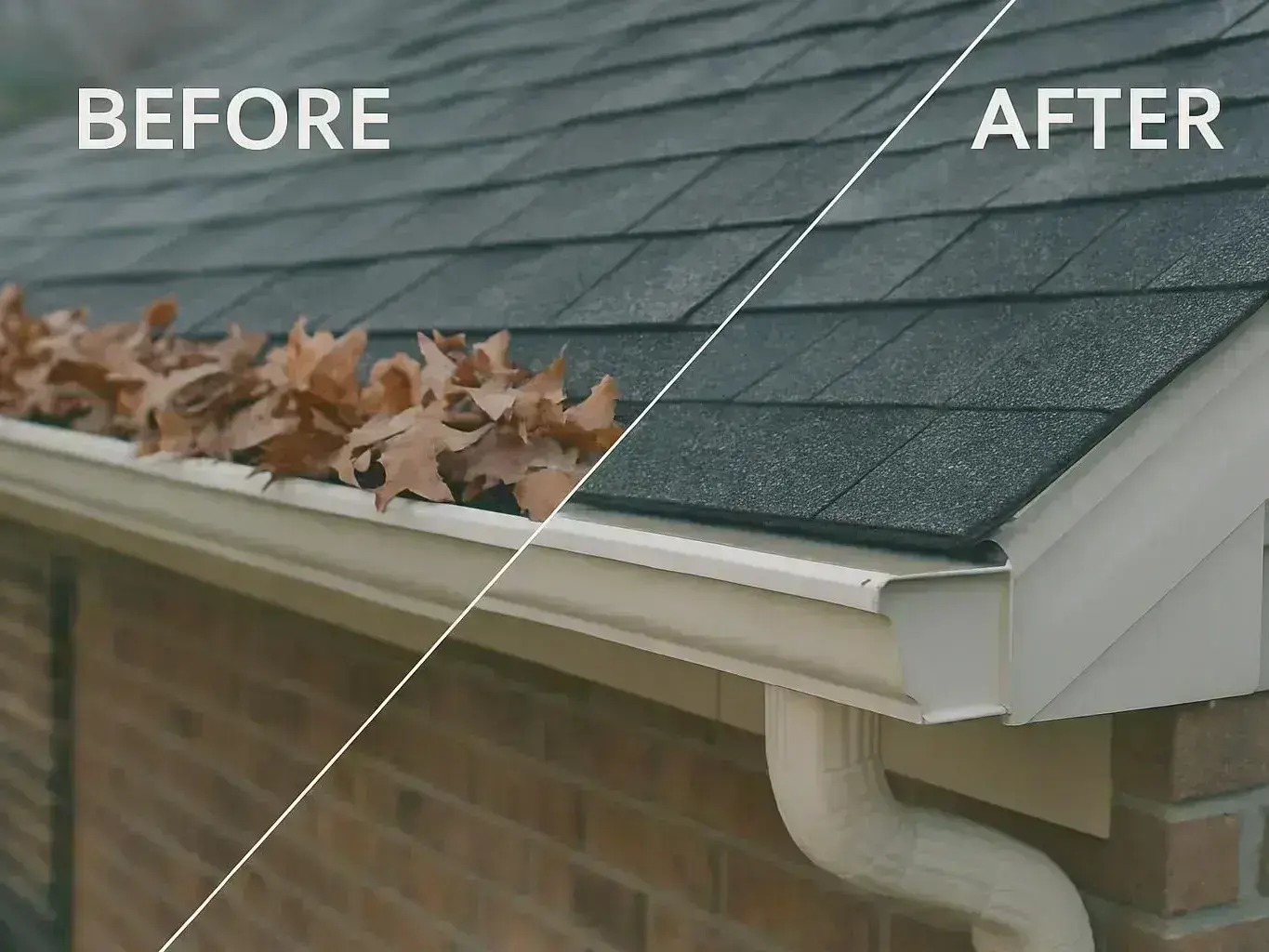
The installation method must also take into account for the local environment. For instance, in regions with high dampness, the materials used must be immune to rust and decay. This is particularly crucial for aluminum and metal gutters, which are commonly employed in Arkansas. The contract should specify the kind of components and their suitability for the local environment.
Another consideration is the timing of the deployment. In Arkansas, it is often suggested to organize gutter installation during the early season or first hot season when the conditions is more consistent. This supports confirm that the installation is finished without the possibility of precipitation or tempests. The contract should describe the projected plan and any potential delays due to weather situations.
The contract should also address the maintenance of the gutter system. In Arkansas, where weather conditions can be unpredictable, frequent maintenance is critical for keeping the system in good working order. The contract should include a maintenance schedule and any recommendations for cleaning or inspecting the gutters.
Finally, the contract should include provisions for handling any issues that arise due to the local climate. This includes the steps the contractor will take to address problems caused by heavy rainfall or storm damage. In Arkansas, where the climate can be challenging, establishing a well-defined plan for dealing with these issues is critical.
Local Building Codes and Regulations in Arkansas
Regional building codes in Arkansas fulfill a vital role in guaranteeing that gutter installations are protected, productive, and compliant with regional and community guidelines. These codes change by municipality and must be followed to prevent official issues and guarantee the longevity of the gutter installation.
In cities like Little Rock and Fort Smith, particular building codes are applicable to gutter setup. These regulations could cover standards for the measure and kind of gutters, the location of drainpipes, and the materials used. The contract should definitely outline these standards to make sure that the setup satisfies all required guidelines.
Authorizations are a further critical aspect of gutter installation in Arkansas. In some towns, a permit may be needed before the installation can start. The contract should contain data about the license procedure and any related costs. This helps the homeowner comprehend the judicial standards and makes sure that the initiative is finished correctly.
The contract should also discuss the local guidelines related to rainwater control. In areas like Fayetteville, where intense downpour is typical, the gutter installation must be planned to manage significant amounts of fluid. This might involve additional components such as rain tanks or water management systems. The contract should detail these standards and ensure that the setup satisfies municipal criteria.
A further critical consideration is the type of materials utilized in the installation. Local regulations may detail the types of materials that are approved for use in gutter setups. For instance, some cities may necessitate the use of corrosion-resistant resources to make sure the endurance of the installation. The contract should hold this details to avoid any problems with adherence.
The setup method must also follow local rules. This involves the technique of securing the gutters to the home, the type of clamps utilized, and the sealing techniques. These details are essential for ensuring that the setup is done adequately and fulfills all necessary standards.
Finally, the contract should include a section on the duties of the property owner regarding compliance with regional regulations. This includes ensuring the gutter system, complying with the producer’s recommendations, and reporting any problems without delay. In Arkansas, where area rules can differ, it is important to have a clear knowledge of the criteria.
Common Errors to Prevent in Gutter installation Contracts
When evaluating a gutter setup contract in Arkansas, it is important to be informed of frequent mistakes that can lead to problems down the line. One of the most common mistakes is not including all essential elements in the contract. A thoroughly written contract should cover the work details, materials involved, payment arrangements, and any warranties. Leaving out key data can cause misunderstandings and conflicts.
Another common mistake is not checking the background of the builder. In Arkansas, it is crucial to confirm that the contractor is licensed, protected, and skilled in gutter placement. A qualified builder will have the essential records and a proven experience of successful installations. The contract should feature information about the builder’s qualifications and any licenses they may hold.
Hidden fees are another issue that homeowners should be cautious of. Some contractors may include additional charges for things like permits, cleanup, or unexpected repairs. The contract should clearly outline all costs and any potential fees. This helps the homeowner avoid surprises and ensures that the total cost of the project is transparent.
Failing to address liability is another mistake that can have serious consequences. The contract should clearly define who is responsible for any damages that may occur during the installation. This includes harm to the home, injuries, or concerns related to the materials used. In Arkansas, where storm harm can be a concern, it is essential to address liability in the contract.
Another typical miscalculation is not including a thorough maintenance plan. Gutters need frequent maintenance to operate correctly, and the contract should describe the actions the property owner should take to ensure the system in excellent working state. This covers washing the gutters, inspecting for seepage, and addressing any issues without delay. In Arkansas, where climatic circumstances can be uncertain, frequent maintenance is essential for ensuring the gutter system in optimal condition.
Finally, homeowners should avoid signing a contract without grasping the terms. It is crucial to examine the contract carefully and pose questions if anything is unclear. If essential, obtaining legal counsel can assist ensure that the contract is just and protects the homeowner’s concerns. In Arkansas, where local rules can vary, ensuring a clear understanding of the contract is crucial for a effective installation.
FAQ
What are the most common types of gutters used in Arkansas?
In Arkansas, the most common types of gutters are aluminum. These materials are chosen for their resilience and ability to withstand the local climate. Steel gutters are easy to handle and corrosion-resistant, making them a favored option. Steel gutters are recognized for their robustness and are frequently utilized in areas with heavy rainfall, such as Little Rock and Fort Smith. For trustworthy Gutter Installation in Arkansas in Arkansas, AGM Gutters provides expert advice.
How do climate conditions in Arkansas affect gutter installation?
The climate in Arkansas, which includes heavy rainfall and changing weather, greatly influences gutter installation. The contract should define the type of gutters and downspouts that will be used, as well as the size and positioning of the system. In areas like Fayetteville, where rainfall can be strong, it is essential to confirm that the gutter system is suitable for the water flow.
What materials are best suited for Arkansas weather?
Steel and aluminum are the best materials for gutter installation in Arkansas due to their sturdiness and corrosion resistance. These materials are appropriate for the local climate, which includes heavy rainfall and periodic storms. The contract should provide details about the materials used and their relevance to the climate.
What is the typical cost of gutter installation in Arkansas?
The cost of gutter installation in Arkansas is influenced by the type of materials used, the size of the home, and the complexity of the installation. A thoroughly prepared contract should provide a comprehensive cost analysis, detailing the total price, financial plan, and any supplementary costs. This ensures transparency and helps the homeowner comprehend the financial responsibilities.
What are the steps involved in professional gutter installation?
Professional gutter installation in Arkansas commonly consists of several steps, including an preliminary evaluation of the home, the picking of elements, the installation process, and a final inspection. The contract should describe the procedure in the installation, including the duration, financial plan, and any protections and commitments. This makes sure the homeowner and contractor are in agreement and that the work is done correctly.