

Installing gutters can be a satisfying DIY project that safeguards your home from water injury. However, it requires meticulous organization and focus to safety. Whether you're a experienced Homeowner or a beginner homeowner, complying with these advice can assist you complete your gutter installation securely. For qualified assistance, look into AGM Gutters, a trusted provider for Gutter Installation in Arkansas.
1. Examine the Area and Ladder Position
Before you commence, get a careful view at the roof and the space where you’ll be working. Survey for unsecured tiles, damaged tiles, or any indications of wear that could cause the surface unsafe. A secure even area is essential for safe step placement. Make sure the step is entirely stretched and locked in place, and set it at the proper slope—typically a 75-degree slope from the surface. A unstable stair can cause grave accidents, so stability is essential.
Also, consider the conditions. Moisture, gusts or high heat levels can cause operating on a roof greater dangerous. If circumstances are less than ideal, it’s better to postpone. Your safety should permanently be the main concern.
2. Utilize Proper Safety Gear
Protect yourself with the right gear. A harness and lanyard can avoid falls if you're working on a sloped roof. Wear non-slip shoes with good traction to avoid slipping on wet or uneven surfaces. A hard hat can shield your head from falling debris or tools. Safety glasses will shield your eyes from dust, wood chips, or metal shavings during installation.
Don’t forget gloves. They shield your hands from sharp edges, splinters, and cold metal. Even a small cut can become a big issue if it gets infected. Taking a few minutes to gear up correctly can save you from serious injuries later.
3. Check for Electrical Lines and Utility Conduits
Before you start drilling or securing, ensure there are no electrical lines or infrastructure conduits in the area. This is especially important if you’re carrying out adjacent to utility lines or if your home has above-ground circuitry. Reach out to your local infrastructure organization to identify any subterranean wires before you begin. Despite a small error can result in a hazardous condition.
If you’re not sure about the placement of wires or wires, it’s most advisable to contact a specialist. Safety needs to not be sacrificed for the reason of ease. A small more caution can stop serious problems.
4. Double Check Before You Cut
Accuracy is vital when installing gutters. Check the length of each section carefully before cutting. Use a tape measure and indicate the measurements easily. Verify your numbers before making any cuts. A small mistake in measurement can lead to gaps or misalignment, which can cause water to leak and damage your home.
When cutting, use a metal snip or a hacksaw for even cuts. If you’re working with aluminum or steel gutters, a power miter saw can increase efficiency and more precise. Always wear eye protection when cutting metal to stay away from injury from flying debris.
5. Secure Gutters with suitable Fastening
Using the correct fastening is vital for a durable gutter system. Follow the manufacturer’s advice for screws, brackets, or hangers. Avoid using nails unless they’re particularly designed for gutter installation. Nails can loosen over time, causing the gutters to sag or fall.
Space the fastening evenly along the extent of the gutter. Typically, one support every 2 to 3 feet is adequate. If you’re installing gutters on a slanted roof, you may need to add more supports to stop slumping. Correct installation guarantees your gutters remain in place and function as intended.
6. Ensure Right Slope for Water Drainage
One of the most important elements of gutter installation is making sure the right incline for water to flow. Gutters should tilt marginally downward the drainpipes—about 1/4 inch per 10 feet of distance. This allows rainwater to drain properly and prevents accumulation or overflow.
7. Secure Connections and Connections
Sealing the connections and joints is essential to avoid seepage. Apply a top-notch gutter caulk or caulk to seal any voids between sections. Apply a light even layer to guarantee a watertight seal. Avoid excessive application, as surplus adhesive can create a problem and may not stick effectively. https://dok.kompot.si/zRGSeagaTk2ztd6enz8yMQ
8. Test the System Before Finalizing
Once the gutters are installed, check the system to make sure everything functions as expected. Direct water through the gutters and watch how it flows. Inspect for any drips, bending, or displacement. If you notice any issues, make tweaks before the system is fully set.
Frequently Asked Questions
What tools do I need for gutter installation?
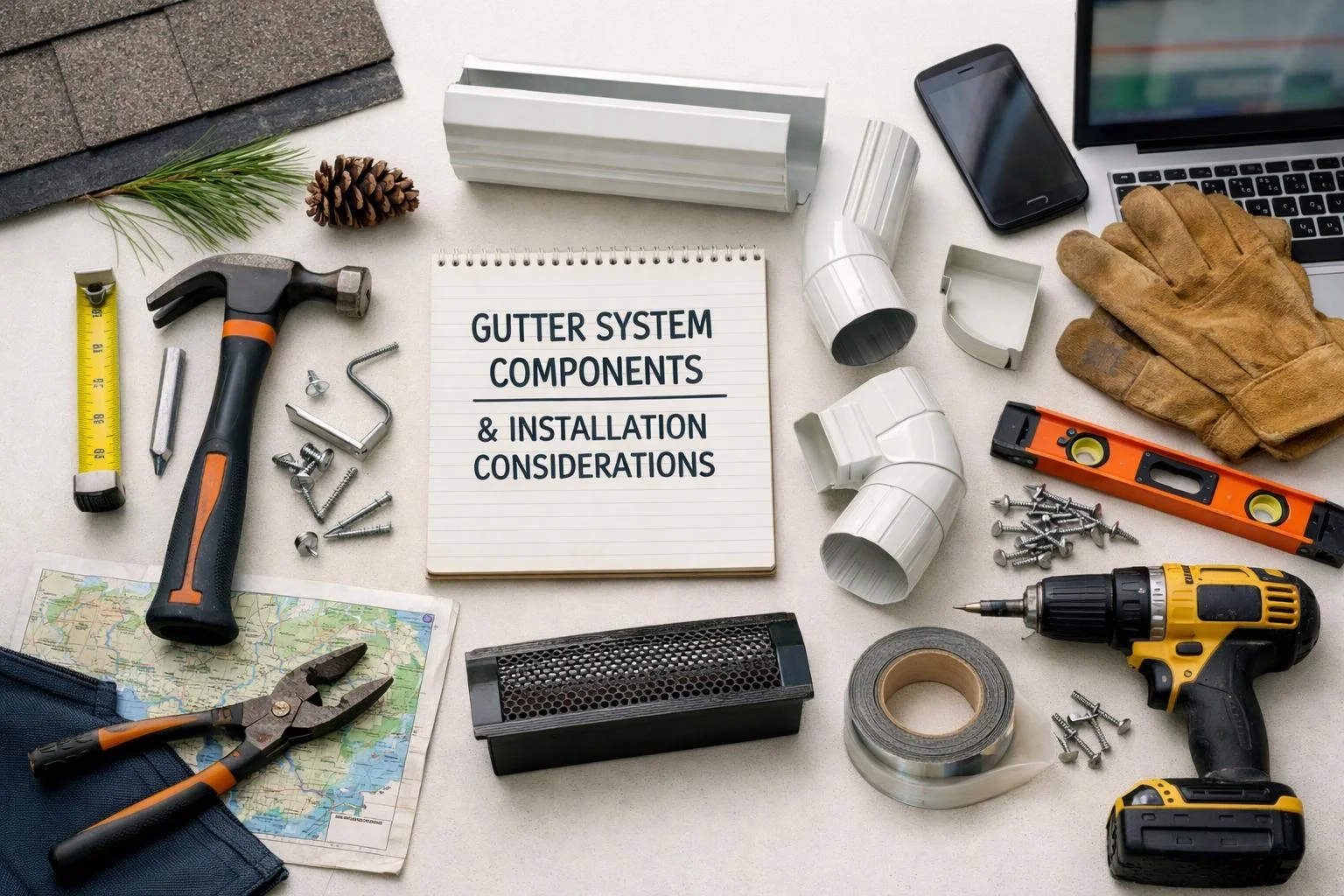
Basic gear include a extension ladder, measuring tape, straight edge, safety gear, and a drill. You’ll also need gutter fasteners, nails, and caulking. For cutting, a metal cutter or metal snip is beneficial. Having the right gear makes the job safer and more efficient.
How long does gutter installation take?
A typical DIY gutter setup can take a few hours to a full day, depending on the size of the home and the difficulty of the system. If you’re setting up a basic system on a small house, you may finish in a few hours. https://docs.localcharts.org/new Bigger or more complex projects demand more time and planning.
When should I hire a expert?
If you’re not sure about the procedure, are missing the appropriate gear, or are handling a sloped or complex roof, it’s best to hire a expert person. A qualified can guarantee the work is done securely and correctly, particularly if you’re not experienced with roofing or gutter systems. For regional help, think about AGM Gutters, a trusted company for Gutter Installation in Arkansas.
Last updated November 2026